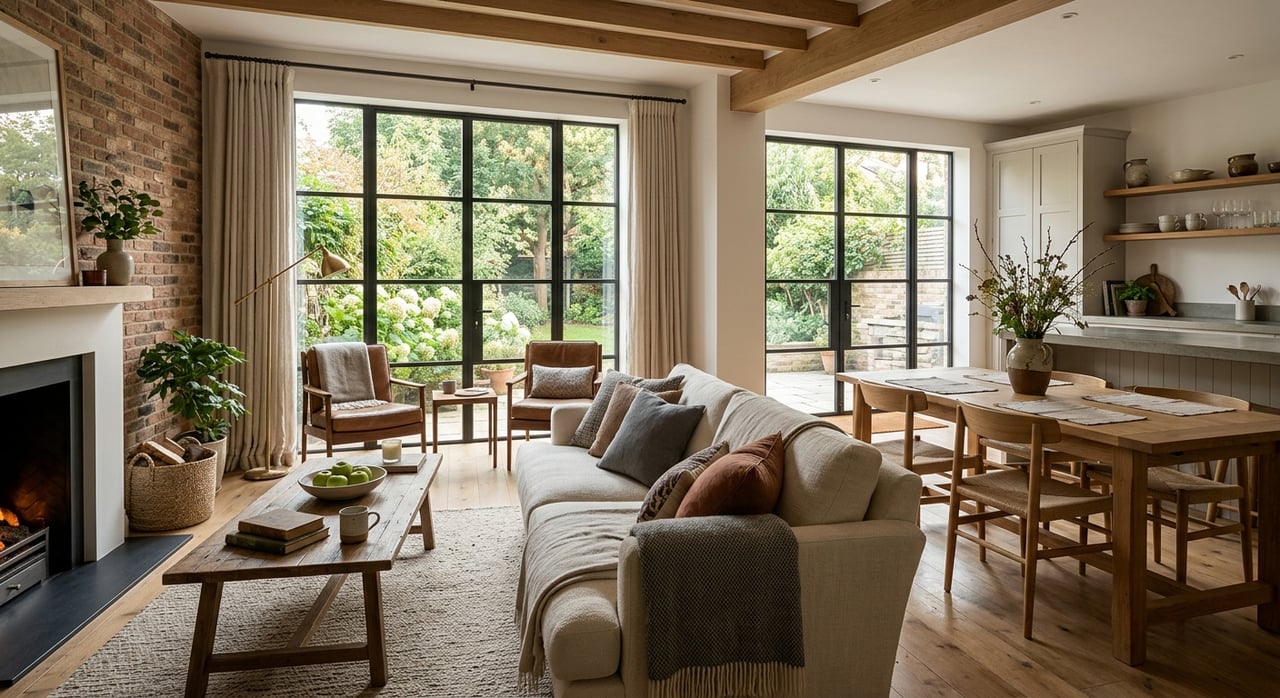
Is Saint Paul Park A Good Fit For Your First Home?
July 16, 2026
July 16, 2026
Wondering whether St. Paul Park is the kind of place where you can actually buy your first home without giving up the lifestyle you want? That is a smart question, especially when you are balancing price, commute, home style, and day-to-day convenience all at once. If you are considering this Washington County community, you deserve a clear picture of what first-time buyers can realistically expect. Let’s dive in.
St. Paul Park is a smaller city in Washington County with an estimated 5,360 residents and about 2,043 households in 2024. It covers 3.6 square miles, which helps explain why it tends to feel more compact and residential than some larger east metro suburbs.
The land-use mix supports that impression. In 2020, the city had 726 acres of residential land, compared with 47 acres of commercial land and 63 acres classified as parks, recreation, or preserves. For you as a buyer, that points to a community that is more focused on homes and neighborhood living than large-scale retail or dense mixed-use development.
For many buyers, the short answer is yes. St. Paul Park can be a strong fit if you want a smaller east metro community, a housing market with options around the $300,000 range, and a setting where detached homes still make up most of the inventory.
It may be less appealing if your wish list includes lots of brand-new construction, a broad condo selection, or a highly walkable retail environment. The city appears to be more resale-driven, so your search may center on existing homes and some townhomes rather than a large pipeline of new builds.
One of the biggest questions for first-time buyers is simple: what will your money buy here? Over the three months ending in May 2026, Redfin reported a median sale price of $299,821 in St. Paul Park.
That median gives you a useful baseline, but actual prices can vary a lot by home type, size, and condition. Recent sales included a 2-bedroom, 1-bath home at $145,000, a 2-bedroom, 2-bath townhome at $256,000, a 3-bedroom, 2-bath home at $320,000, a 4-bedroom, 2-bath home at $335,000, and a 3-bedroom, 3-bath home at $440,000.
At the time of the market snapshot, active listings ranged from about $240,000 to $700,000. That tells you entry points do exist, but you will likely need to move quickly and stay flexible as inventory changes.
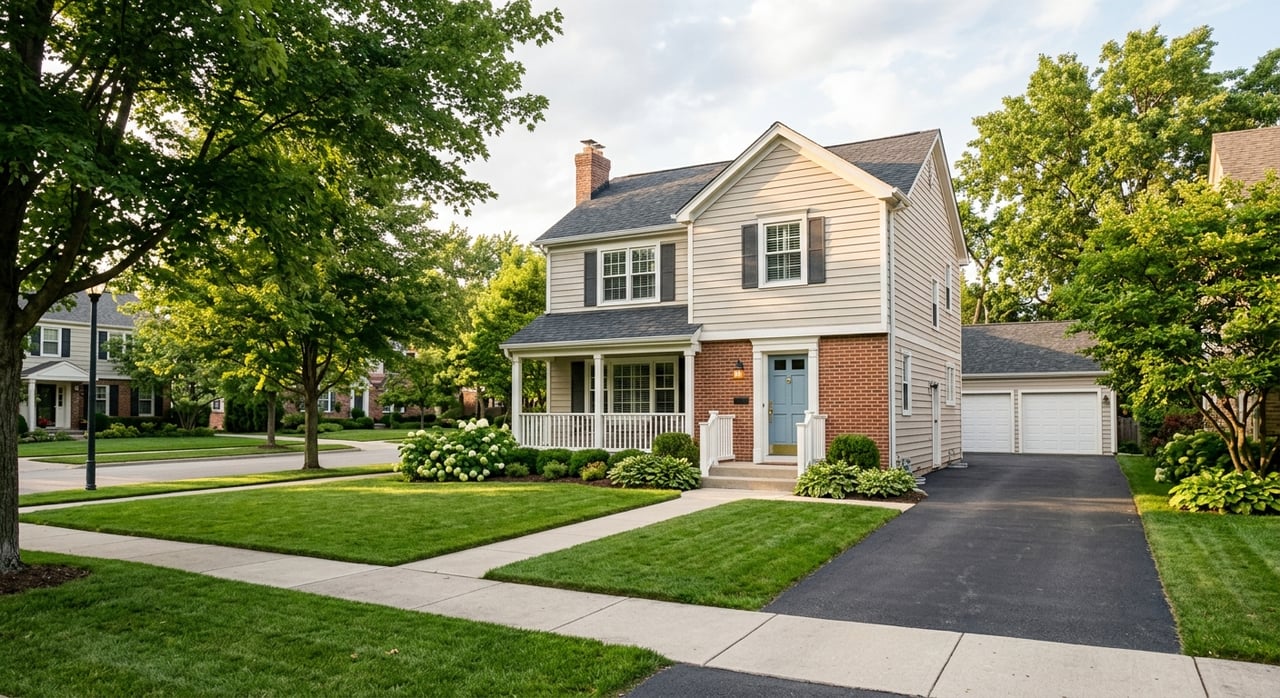
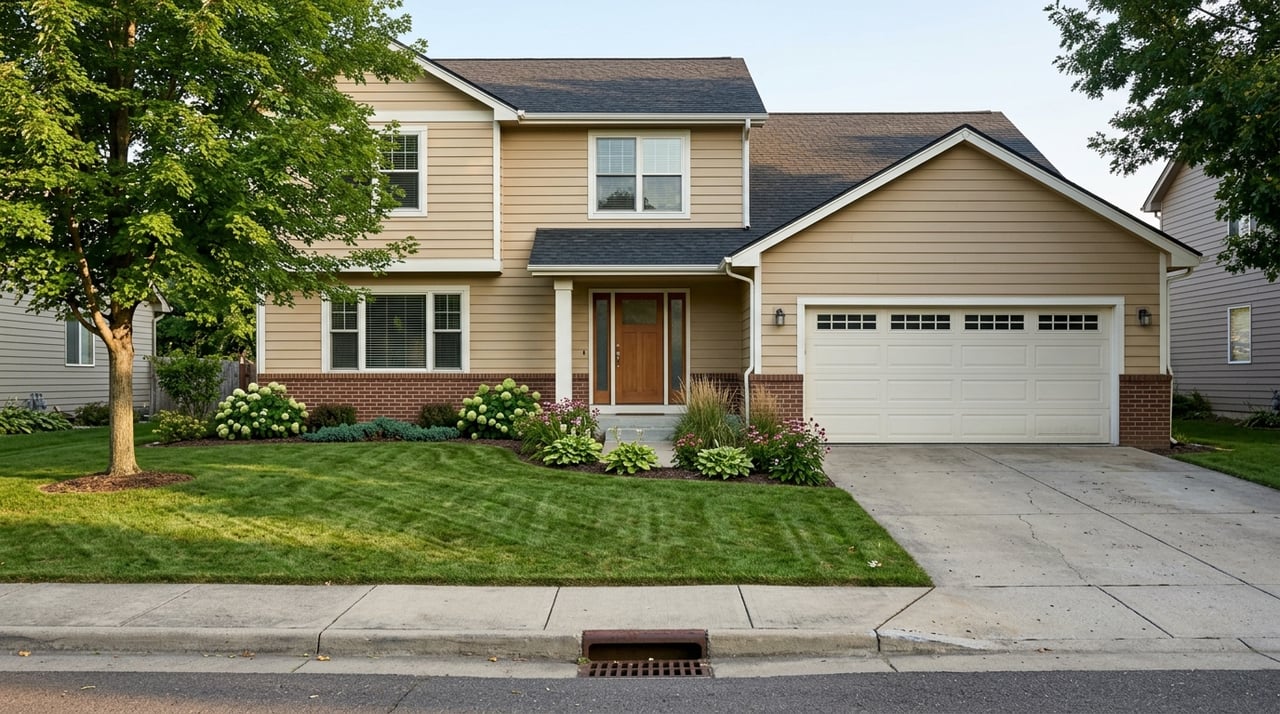
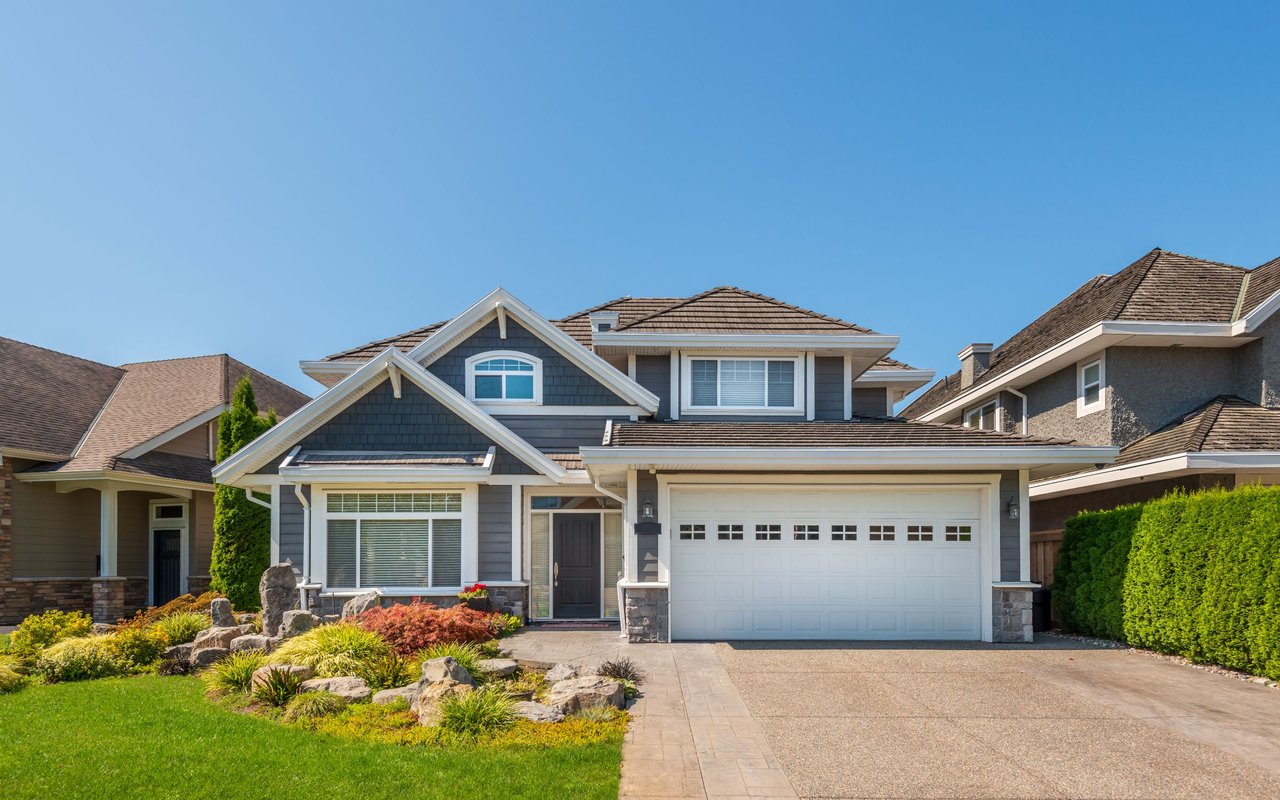
If you are hoping for a detached house as your first home, St. Paul Park may line up well with that goal. The city’s 2024 housing estimates show 1,621 single-family detached units out of 2,140 total housing units.
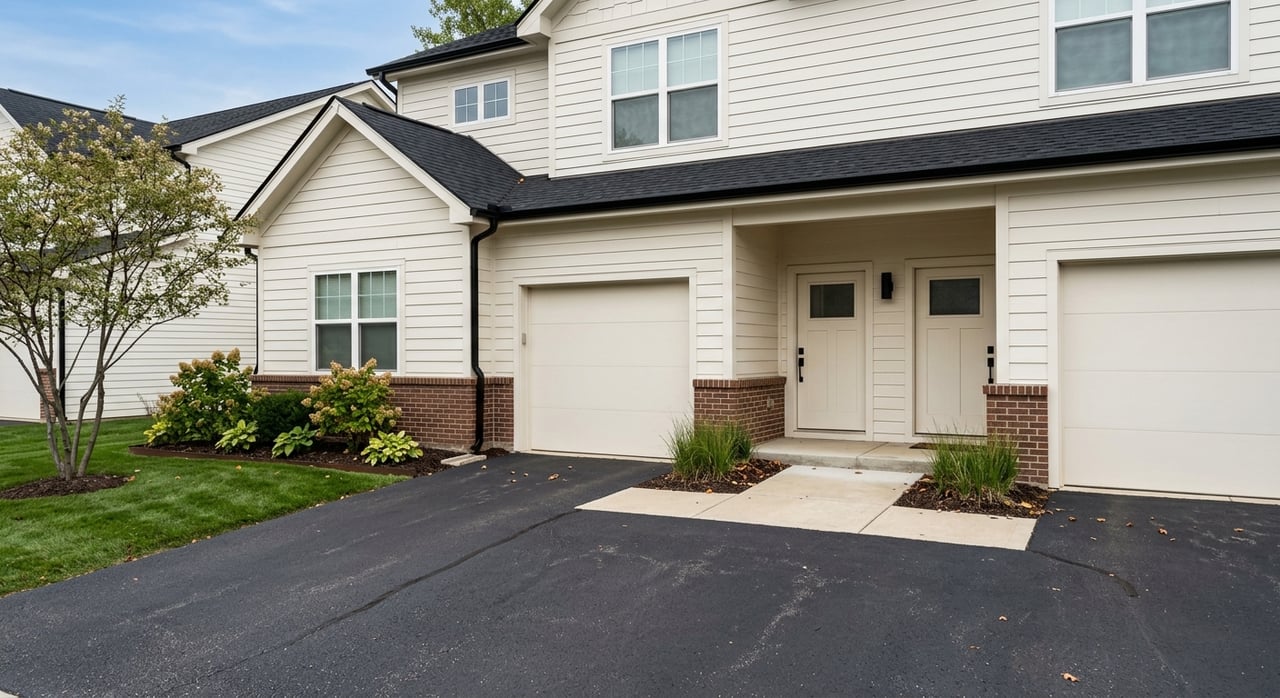
Townhomes are part of the mix too, with 185 units counted in the same estimate. But compared with some suburbs that offer more condos or larger multifamily inventory, St. Paul Park leans much more heavily toward detached homes.
That matters because your search experience will likely reflect the city’s housing stock. In practical terms, you may spend more time comparing older single-family homes and a smaller number of townhomes, rather than sorting through a long list of condos or new construction communities.
If you were hoping to buy new, you may find fewer options here than in faster-growing areas. In 2024, the city permitted just 5 new housing units total: 1 detached home, 2 townhomes, and 2 accessory dwelling units.
That does not mean new opportunities never appear. It does mean the local market looks modest on the new-construction side, so first-time buyers should be prepared for a resale-focused search.
St. Paul Park is not a slow market right now. Redfin describes it as very competitive, with homes selling in about 15 days on average and receiving 2 offers on average.
For you, that means preparation matters. If you decide this city is a fit, it helps to be ready to tour quickly, understand your budget early, and compare homes based on your true priorities instead of waiting for the perfect option to sit on the market.
If you work in the east metro or one of the core job centers, St. Paul Park offers reasonable regional access. The Census reports a mean travel time to work of 21.2 minutes, which suggests commutes are manageable for many residents.
Work destination patterns also help show how connected the city is to nearby employment centers. Metropolitan Council LEHD data show residents most often work in St. Paul, Cottage Grove, Minneapolis, Woodbury, and Eagan.
That pattern is encouraging if you want a quieter home base without feeling cut off from the broader metro. You may still rely heavily on driving, but the location supports access to several common work destinations.
Transit is not the city’s biggest strength, but there is a practical nearby option. The Cottage Grove Park & Ride offers Route 361 express service to downtown St. Paul and Route 365 express service to downtown Minneapolis.
If you mostly drive but like having a backup for some workdays or event trips, that can be a real plus. It gives you one more way to think about flexibility when comparing St. Paul Park with other east metro communities.
Lifestyle matters just as much as square footage, especially in your first home. One of St. Paul Park’s strongest everyday advantages is its access to parks and outdoor space.
City materials reference Heritage Park, Veterans Park, and Lions Levee Park. A city planning document describes Heritage Park as the city’s largest multi-use park, with ballfields, courts, playground equipment, a pavilion, shelter, picnic area, and a community room.
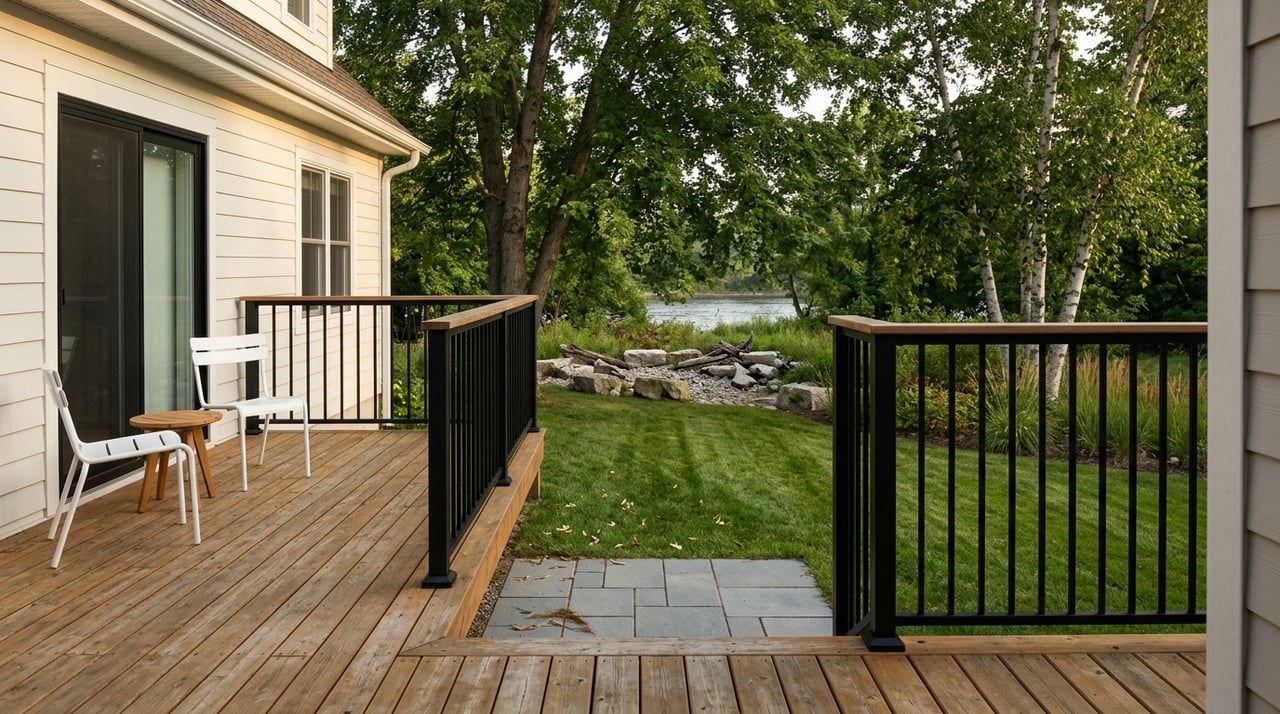
Lions Levee Park is also notable for boat-launch access improvements referenced in city materials. If being near river access or spending time outdoors is important to you, that can be a meaningful part of the city’s appeal.
Beyond the city itself, nearby Washington County park options include Cottage Grove Ravine Regional Park, Point Douglas Park, and St. Croix Bluffs Regional Park. That gives you more variety for walking, recreation, and outdoor time close to home.
No city checks every box, so it helps to understand the tradeoffs clearly. St. Paul Park’s smaller commercial footprint suggests a quieter, more residential setting, but it may also mean you drive to nearby communities for a wider mix of shopping, dining, and big-box errands.
That is not necessarily a downside. For some buyers, that tradeoff is worth it because they prefer a smaller-community feel and do not mind short drives for additional amenities.
The key is knowing yourself. If you want activity and retail close by in every direction, you may want to compare St. Paul Park with larger suburbs. If you want a more residential setting and can be flexible about errands, this city may feel like a good match.
If you are considering homes closer to the river, make sure you look at property-specific risk. Redfin and First Street rate St. Paul Park’s overall flood risk as minor, but report that 2% of properties face severe flooding risk over the next 30 years.
That does not mean river-adjacent homes are off the table. It does mean you should review each property carefully so you understand the location and any added considerations before making an offer.
St. Paul Park can be a very solid choice for your first home if you want a smaller, more residential east metro community with detached-home options, some townhomes, and pricing that often centers around the $300,000 mark. It also stands out for park access, river-related recreation, and workable commutes to several nearby job centers.
The biggest compromises are a competitive market, modest new-construction supply, limited commercial land, and the need for extra flood review on certain properties. If those tradeoffs fit your priorities, St. Paul Park may deserve a serious look.
If you want help comparing St. Paul Park with nearby east metro options, planning a first-home budget, or narrowing down the right fit for your lifestyle, Monica Schafer is here to help.
Stay up to date on the latest real estate trends.
With access to top listings, a worldwide network, exceptional marketing strategies and cutting-edge technology, I work hard to make your real estate experience memorable and enjoyable. Please don’t hesitate to contact me today!
Get In Touch With Monica To Learn More
Monica Schafer