Choosing Historic Or New Construction In Saint Paul
June 11, 2026
June 11, 2026
Wondering whether a charming older home or a brand-new build is the better fit in Saint Paul? You are not alone. Many buyers here are choosing between historic character and modern convenience, and the right answer often comes down to how you want to live day to day. This guide will help you compare both options, understand Saint Paul-specific rules, and ask smarter questions before you buy. Let’s dive in.
Saint Paul describes itself as a city of neighborhoods, and that matters when you are deciding between historic and new construction. The city’s long-range planning supports both preservation and new housing choices, with an emphasis on development that fits neighborhood context.
That means you are not choosing between two completely separate worlds. In Saint Paul, historic homes, infill development, and newer communities all play a role in the housing market. Census QuickFacts also show a 53.2% owner-occupied housing rate and a median value of $280,300 for owner-occupied homes, which helps show how important both established and newer owner-occupied housing are across the city.
Historic homes are spread across Saint Paul rather than concentrated in just one area. The city’s historic districts and sites include places such as Historic Hill, Irvine Park, Lowertown, Dayton’s Bluff, Summit Avenue West, and the Jackson Street Shops district.
Many of Saint Paul’s most character-filled homes are in long-established neighborhoods. A city survey of Macalester Park found common styles such as bungalow, Craftsman, Prairie, Colonial Revival, Dutch Colonial Revival, and Tudor Revival, with more than half of surveyed homes built in the 1910s.
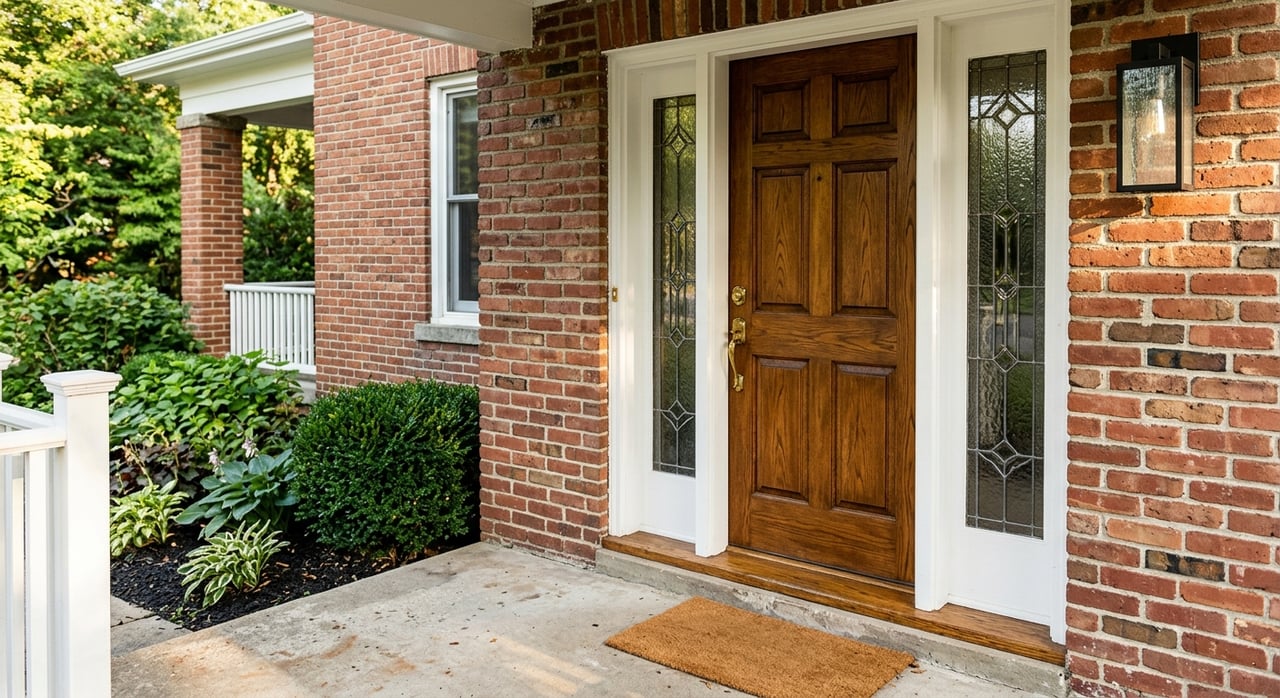
If you love architectural detail, mature streetscapes, and homes that feel one of a kind, older properties can be very appealing. In Saint Paul, many historic homes reflect the city’s streetcar-era growth, which gives certain areas a distinct sense of place.
You may also find features that are harder to replicate in newer construction. Things like built-ins, original woodwork, front porches, and varied floor plans often give historic homes their personality.
Character often comes with more questions upfront. The city notes that many older homes have been altered over time with enclosed porches, additions, or changed windows and trim, so one historic-looking house may be very different from another in terms of condition and updates.
That is why it helps to look beyond surface charm. You will want to understand what is original, what has been renovated, and how well major systems have been maintained.
One of the biggest misconceptions about historic homes is that you cannot change anything. Saint Paul’s heritage preservation guidance makes clear that designation does not prohibit change. Instead, it guides how certain changes are reviewed.
For buyers, this is important if you already know you want to update the exterior. Porch changes, window replacement, garages, additions, and siding work may require Heritage Preservation approval if the property is a designated heritage site or located within a local historic district.
Saint Paul says exterior projects on designated heritage sites or structures in local historic districts require Heritage Preservation review before permits are issued. The city encourages owners to check district guidelines early.
The review process may move fairly quickly once an application is complete, and the city says administrative review may be completed in about five business days. Still, express permits are not available for historic structures or properties in historic districts, so buyers should expect a different process than they might with a non-designated home.
With historic homes, maintenance and inspection risks are often more front-loaded. If a home was built before 1978, the EPA says it should be treated as a potential lead-based-paint home unless testing shows otherwise.
The Minnesota Department of Health also notes that older homes may have many layers of paint and that plumbing materials can increase lead risk. MDH further advises all Minnesota homeowners to test for radon, and it reports that more than two in five Minnesota homes have radon levels that pose a significant health risk.
Asbestos is another issue to consider in older homes, especially if you plan to remodel. The EPA says asbestos generally cannot be identified by sight alone, so suspect materials should be tested if they are damaged or likely to be disturbed during renovation.
This does not mean you should avoid older homes. It simply means you should go in with a clear plan for inspections, testing, and future maintenance.
Saint Paul adds an important local step for many resale homes. The city requires a Truth-in-Sale of Housing, or TISH, evaluation before a single-family home, duplex, condominium, or townhome is marketed for sale.
The TISH report is disclosure-only, and it must be made available to buyers within three calendar days. The city also specifically recommends that buyers hire their own independent inspector. For single-family dwellings, the only item required in the TISH report is an operational hard-wired smoke detector or alarm.
That means the TISH report is useful, but it is not a substitute for your own inspection work. If you are considering an older home, this is one of the first documents you will want to review carefully.
If you prefer newer homes, Saint Paul offers more than scattered one-off builds. The city’s 2040 planning framework supports infill development that fits neighborhood context, and current T District map amendments are intended to diversify development and new housing along transit corridors such as Selby Avenue, West 7th Street, Rice Street, Maryland Avenue, White Bear Avenue, and Robert Street.
These districts are designed to encourage compact, mixed-use development, especially along transit corridors and major intersections. For buyers, that can mean access to newer housing in areas that are still evolving.
One of Saint Paul’s clearest examples of large-scale new development is The Heights on the former Hillcrest Golf Course. The city describes it as the largest modern-day investment in the Greater East Side, with plans for 1,000 housing units, 1,000 living-wage jobs, a geothermal energy system, and new parks and green space.
The city also reports that Twin Cities Habitat for Humanity is building nearly 150 affordable homeownership opportunities there. Habitat says its portion is being designed as an all-electric community seeking LEED-Platinum certification.
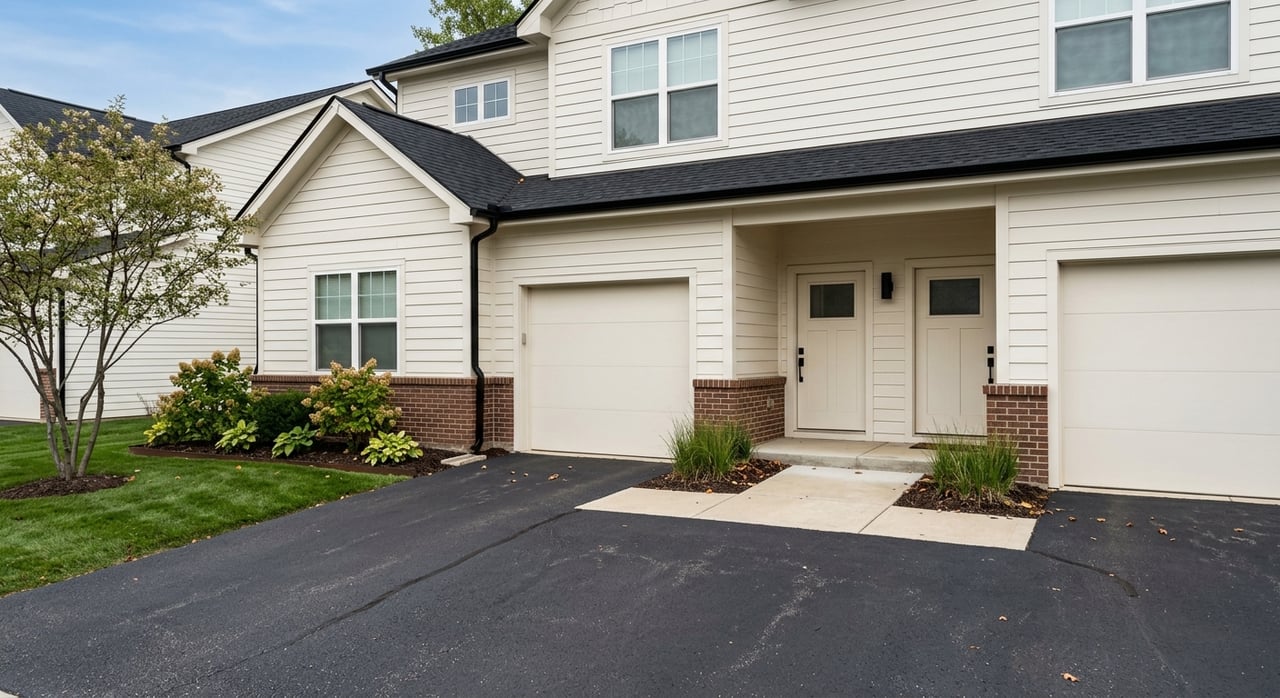
For many buyers, the appeal of new construction is simple. You may get newer systems, modern layouts, and a home shaped by current building and design standards.
In Saint Paul, single-family houses and duplexes are guided by clear design rules. The city requires features such as a front-third primary entrance, a direct pedestrian connection to the street, minimum window and door openings, similar materials on all street-facing sides, alley access for parking when available, and garage setback rules.
New construction in Saint Paul is not meant to be visually disconnected from its surroundings. Building plans must go through design review as part of the permit process, which helps support neighborhood-compatible development.
Some publicly assisted projects may also be subject to the city’s Sustainable Building Ordinance. Saint Paul says certain qualifying projects receiving public funding must meet an approved green-building standard plus the Saint Paul Overlay.
The better choice is usually not about which type of home is better overall. It is about which tradeoffs fit your lifestyle, budget, and comfort level.
Here is a simple way to compare the two:
| If you value... | Historic home may fit | New construction may fit |
|---|---|---|
| Architectural detail | Yes | Sometimes |
| One-of-a-kind character | Yes | Less often |
| Newer systems | Less likely | More likely |
| Fewer renovation unknowns | Less likely | More likely |
| Preservation rules and context | More relevant | Less relevant |
| Evolving redevelopment areas | Sometimes | Often |
| Sustainability features | Sometimes through updates | Often built into planning |
If you are drawn to older neighborhood fabric, architectural variety, and a strong preservation identity, a historic home may feel right. If you prefer newer systems, clearer design standards, and areas shaped around walkability, transit access, and sustainability, new construction may be the better fit.
Before you move forward on an older Saint Paul property, ask:
If you are considering new construction, ask:
Start with your daily priorities, not just the listing photos. Think about whether you want charm and history, or predictability and newer systems. Then consider how much time, money, and patience you want to devote to future maintenance or improvement projects.
In Saint Paul, both paths can be great options. The key is understanding the process behind the property so you can buy with fewer surprises and more confidence.
If you want help comparing Saint Paul neighborhoods, weighing older homes against new builds, or sorting through the local details that can affect your decision, Monica Schafer is here to help you navigate the process with clear, honest guidance.
Stay up to date on the latest real estate trends.
With access to top listings, a worldwide network, exceptional marketing strategies and cutting-edge technology, I work hard to make your real estate experience memorable and enjoyable. Please don’t hesitate to contact me today!
Get In Touch With Monica To Learn More
Monica Schafer